
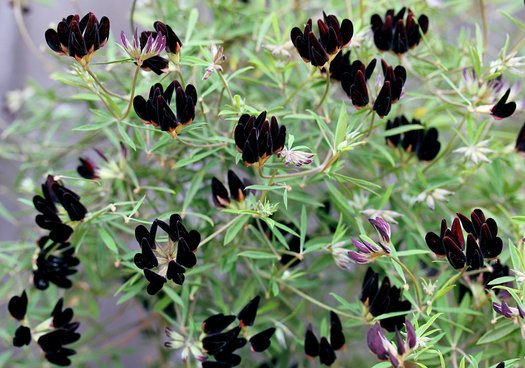
Black Lotus Plant Care Guide: Growth Tips & Blooming Advice. Get a quick guide to caring for your Black Lotus Plant with handy Growth Tips & simple Blooming Advice.

Light & Sun Exposure
Proper illumination ranks among the top factors in any Black Lotus Plant Care Guide: Growth Tips & Blooming Advice. Black lotus leaves & buds demand bright, indirect sunlight for at least six hours daily. Direct midday sun risks scorching the delicate petals & foliage. Position containers or ground plots where morning rays reach the leaves first & afternoon light filters through a sheer curtain or neighboring shrubs. For growers in cooler climates, supplement natural light with full-spectrum LED fixtures placed 12–18 inches above the plant canopy. Modify the distance & duration to match seasonal changes. During winter months, when daylight shortens, maintain an 8–10 hour photoperiod with artificial supplementation. Monitor leaf hue: a deep green with subtle purple highlights signals adequate lighting, whereas pale or yellowing foliage indicates underexposure. Applying this strategy guarantees vigorous lotus plant growing & sustained bud development.
| Lighting Condition | Recommended Duration |
|---|---|
| Bright indirect sunlight | 6–8 hours |
| Supplemental LED | 8–10 hours |
| Avoid direct noon sun | 0 hours |
| Filtered afternoon light | 2–4 hours |
Ideal Watering Practices
Precision in hydration shapes the success of Black Lotus Plant Care Guide: Growth Tips & Blooming Advice. This aquatic species thrives when roots immerse in consistently moist soil or shallow water reservoirs. Maintain a water depth of 2–4 inches above the crown to prevent drying, but avoid deeper settings that may lead to oxygen deprivation. Check moisture daily in warm seasons; adjust frequency when temperatures soar or dip. Opt for rainwater, filtered water, or dechlorinated tap water to prevent mineral buildup. Clay pots encourage stable moisture retention, while porous ceramic containers accelerate evaporation, demanding more frequent refills. During bud formation, increase water volume slightly to foster robust flower structures. When foliage yellows or wilts, reduce direct sun & check root health. This disciplined routine drives healthy black lotus care & minimizes root rot risks.
-
Maintain 2–4 inches of standing water
-
Use dechlorinated or filtered water
-
Inspect moisture levels daily
-
Adjust during extreme heat
-
Avoid waterlogging beyond root crown
Soil Composition & Drainage
Choosing an appropriate substrate stands central to any Black Lotus Plant Care Guide: Growth Tips & Blooming Advice. Black lotus prefers a loamy, sandy soil that retains moisture yet drains excess rapidly. Combine equal parts aquatic planting media, coarse river sand, & organic compost. The sand fraction prevents compaction, ensuring the roots breathe freely under waterlogged conditions. A high-quality aquatic clay blend delivers essential micronutrients & anchors root systems against water currents. Incorporate slow-release aquatic fertilizer pellets by pressing them 2 inches beneath the surface. Avoid heavy garden loam or peat-rich mixes that remain waterlogged. Proper soil promotes vigorous root branching, delivering a stable base for large flower stalks. Remember to refresh or top-dress the substrate annually to sustain nutrient levels & soil structure vital for extended lotus cultivation.
| Component | Ratio by Volume |
|---|---|
| Aquatic planting media | 33% |
| River sand (coarse) | 33% |
| Organic compost | 33% |
| Fertilizer pellets | As directed |
Temperature & Humidity Control
Stable warmth & humidity drive robust Black Lotus Plant Care Guide: Growth Tips & Blooming Advice. Black lotus thrives at day temperatures between 75–85°F & night lows no less than 60°F. Below 60°F, leaf expansion slows & bud set risks failure. Growers in cooler climates should leverage greenhouse setups or transparent enclosures to trap daytime heat. Apply shade cloths when temperatures exceed 90°F to fend off heat stress. Maintain humidity above 60% by misting leaves or situating shallow trays of water nearby. Proper ventilation prevents fungal issues in humid conditions. If using indoor grow tents, install oscillating fans for consistent air exchange. A digital hygrometer & thermometer stationed near your lotus container guarantee you track environmental fluctuations, safeguarding health during spring growth spurt & summer bloom phases.
-
Ideal daily range: 75–85°F
-
Minimum nighttime: 60°F
-
Maintain humidity ≥60%
-
Use shade cloth above 90°F
-
Ensure proper ventilation
Feeding & Fertilizer Schedule
Nutrient management defines long-lasting vigor in this Black Lotus Plant Care Guide: Growth Tips & Blooming Advice. Apply a balanced aquatic fertilizer formulated with N-P-K ratios near 10-10-10 every four weeks during active growth. Insert slow-release tablets two inches beneath the soil surface, equidistant around the crown. Pause fertilization two weeks before bud opening to prevent excessive foliage development at the expense of flowers. After blooms fade, resume feeding to rebuild energy reserves. For trace elements, supplement with a liquid micronutrient solution containing iron, manganese, & zinc once every eight weeks. Monitor leaf color: deep green indicates nutrient sufficiency, while pale yellow suggests iron deficiency. Adhering to this schedule drives consistent leaf emergence & vibrant flowers. Proper feeding maximizes lotus bloom tips success across seasons.
| Growth Stage | Fertilizer Action |
|---|---|
| Early spring | First tablet placement |
| Mid-summer | Liquid micronutrient application |
| Pre-bloom | Fertilizer pause |
| Post-bloom | Resume balanced feeding |
Pruning & Maintenance Techniques
Regular trimming shapes strong structures in any Black Lotus Plant Care Guide: Growth Tips & Blooming Advice. Remove yellow or damaged leaves at the base with sanitized pruning shears to promote air circulation. Trim spent flower stalks immediately after petals drop, cutting flush with the main stem to prevent disease vectors. Thin out crowded stems to redirect energy into robust shoots & pristine bloom development. Sanitize cutting tools between cuts by wiping with isopropyl alcohol. Avoid leaving pruned debris near the plant base; dispose to curb fungal growth. Monthly maintenance checks reveal early signs of rot or pest presence. Consistent pruning also helps maintain an attractive habit in container settings, ensuring each new leaf emerges from an open canopy that captures ample light & airflow.
-
Sanitize tools between cuts
-
Remove yellow or decayed leaves
-
Cut spent blooms flush to stem
-
Thin congested stems
-
Dispose debris away from plant
Propagation Methods
Successful division & seed propagation can expand your collection in line with this Black Lotus Plant Care Guide: Growth Tips & Blooming Advice. For divisions, lift mature rhizomes during early spring before new growth emerges. Gently separate segments ensuring each contains a healthy bud eye. Plant divisions at a 45-degree angle, 2 inches below the soil surface, maintaining water depth guidelines. Seed propagation yields slow initial growth but delivers unique hybrids. Scarify seeds by nicking the hard coat with a file, then soak in warm water for 24 hours. Transfer seeds into shallow trays filled with aquatic seed mix, cover lightly, & maintain 80–85°F. Expect sprouting within 10–14 days. Once leaves reach 2–3 inches, transplant seedlings individually into larger containers. This dual approach offers versatility for gardeners in pursuit of advanced lotus plant growing.
“In my experience, consistent environment & precise soil mix determine how well a lotus thrives.” – Andrew Padberg
| Propagation Type | Key Steps |
|---|---|
| Rhizome division | Separate segments with bud, plant at 45° |
| Seed scarification | Nick coat, soak 24h, sow shallow |
| Transplant timing | First true leaves at 2–3 inches |
| Water depth post-transplant | Maintain 2–4 inches |
Monitoring Pest & Disease Issues
Proactive inspection safeguards health within every Black Lotus Plant Care Guide: Growth Tips & Blooming Advice. Aphids, caterpillars, & snails rank as common pests. Conduct weekly checks beneath leaves & along stems. Hand-pick larger insects or apply insecticidal soap for small colonies. For snail outbreaks, deploy bait stations around container edges. Fungus thrives in stagnant conditions, so watch for powdery or downy mildew on leaf surfaces. Increase airflow & apply a copper-based fungicide at first signs of infection. Remove & discard infected foliage immediately, avoiding composting. Clean container walls & replace water to break pathogen cycles. A healthy watering regime & scheduled pruning greatly reduce disease incidence, ensuring persistent bloom sets & lush foliage.
-
Inspect leaves weekly
-
Hand-remove large pests
-
Use insecticidal soap for aphids
-
Deploy snail bait stations
-
Apply copper fungicide if needed
Encouraging Vibrant Blooms
Flower performance defines success in a thorough Black Lotus Plant Care Guide: Growth Tips & Blooming Advice. To maximize bloom count, position your lotus where roots stay warm & leaves enjoy filtered sunlight. Apply a bloom-boosting formula high in phosphorus two weeks before the expected flowering phase. Keep water levels constant & avoid major temperature swings. Gently rotate containers every few days to expose different sides to light, promoting uniform bud formation. Pinch off early small buds that appear weak; this redirects energy into fewer but larger flowers. Monitor bud development daily; support tall stalks if wind threatens to bend them. When blooms unfurl, avoid touching petals, as oils from skin can shorten vase life. These steps ensure each blossom opens fully & displays deep colors.
| Action | Timing |
|---|---|
| Apply bloom booster (high P) | 2 weeks pre-flower |
| Rotate container | Every 3–5 days |
| Pinch weak buds | Early formation |
| Support tall stalks | Windy days |
Seasonal Care Adjustments
Adapting practices to seasonal shifts proves vital for Black Lotus Plant Care Guide: Growth Tips & Blooming Advice. In spring, initiate feeding & gradually increase water depth as new leaves emerge. Summer demands frequent monitoring of hydration & sun exposure; shift containers to shaded areas during heatwaves. Autumn triggers a slowdown: reduce fertilizer & slightly lower water depth to signal the plant to store energy. If temperatures dip below 60°F, relocate containers indoors or into a heated greenhouse. During winter dormancy, stop feeding altogether & maintain a minimal 1–2 inch water layer above the soil to prevent drying. Ensure containers never freeze solid; ice expansion can damage rhizomes. By aligning care with natural cycles, you support consistent bloom returns each year.
-
Spring: Increase feeding & water
-
Summer: Monitor shade & hydration
-
Autumn: Reduce fertilizer, lower water
-
Winter: Minimal water, no feeding
-
Prevent container freeze
Container Versus Ground Planting
Selecting between in-ground beds or containers influences outcomes in any Black Lotus Plant Care Guide: Growth Tips & Blooming Advice. Ground planting yields larger rhizomes & abundant blooms due to unrestricted root expansion. Be that as it may, container culture offers portability & easier winter protection. Choose containers at least 12 inches deep & 24 inches wide, with no drainage holes to maintain water levels. Use heavy plastic or resin pots to prevent tipping under dense foliage or wind. For ground plots, excavate a pit 18 inches deep, line with a pond liner, then fill with recommended substrate. Both methods require similar feeding, watering, & light practices. The decision rests on space availability & climate control preferences. Proper setup in either format supports luxuriant lotus performance.
| Factor | Container | Ground |
|---|---|---|
| Root restraint | Moderate | Minimal |
| Winter management | Portable | Requires greenhouse |
| Space requirement | Compact | Expansive |
| Temperature control | Easy | Challenging |
Significance of pH Levels
Maintaining a balanced pH proves essential for nutrient uptake in any Black Lotus Plant Care Guide: Growth Tips & Blooming Advice. Black lotus performs best in slightly acidic to neutral water with a pH range of 6.5–7.5. Monitor weekly using a reliable digital meter or testing strips. When pH drops below 6.5, add small increments of agricultural lime to raise alkalinity. Should levels climb above 7.5, apply peat moss or a mild acidifier formulated for aquatic plants. Make adjustments gradually, allowing 24–48 hours between applications before retesting. Sudden swings damage fine root hairs, leading to nutrient lockout. Properly regulated pH ensures iron remains available, keeping young leaves free from chlorosis & bolstering overall growth vigor.
-
Test pH weekly
-
Use lime for low pH
-
Apply acidifier for high pH
-
Adjust in small increments
-
Wait 24–48h between tests
Using Mulch & Soil Amendments
Deploying natural mulches safeguards moisture & stabilizes temperature in any Black Lotus Plant Care Guide: Growth Tips & Blooming Advice. Spread a 1–2 inch layer of clean pea gravel across the soil surface to deter algae growth & prevent soil displacement when watering. Avoid organic mulches that decompose too quickly, releasing tannins that discolor water. For nutrient supplementation, top-dress with worm castings during spring to enrich microbial activity. A thin band of aquatic-grade clay around the crown helps maintain root stability & nutrient diffusion. Removing old mulch remnants each season keeps substrate fresh & prevents pest hiding spots. This approach harmonizes moisture retention with aeration, fostering strong root networks & lush foliage.
| Mulch Type | Benefit |
|---|---|
| Pea gravel (1–2”) | Moisture retention, algae control |
| Worm castings (light top-dress) | Microbial enrichment |
| Aquatic clay band | Root anchorage, nutrient diffusion |
Sensitive Periods in Growth Cycle
Recognizing critical windows optimizes results in this Black Lotus Plant Care Guide: Growth Tips & Blooming Advice. The first four weeks of spring represent a high-sensitivity stage as new leaves & rhizomes establish. Provide stable temperatures, consistent moisture, & no abrupt changes. Bud induction in mid-summer demands peak nutrition & vigilant pest control. Minimal disturbances ensure successful bloom initiation. Post-bloom, plants direct energy into rhizome development; at this time, resume feeding & maintain water levels. Late autumn signals a shift to storage mode; gradually reduce nutrients to avoid tender new shoots that won’t survive colder conditions. Timing adjustments to each phase yields predictable, impressive floral displays year after year.
-
Weeks 1–4 (Spring): gentle handling
-
Mid-summer: maximize nutrition
-
Post-bloom: resume fertilizer
-
Late autumn: cut feeding
-
Winter: minimal intervention
Advanced Cultivation Tips
For enthusiasts eager to excel in Black Lotus Plant Care Guide: Growth Tips & Blooming Advice, integrate these refined techniques. Employ root-zone heating cables to maintain rhizome temperatures above 65°F, boosting early spring growth in temperate regions. Experiment with liquid kelp extracts during bud emergence for enhanced cellular expansion. Rotate multiple containers on a monthly schedule to distribute sunlight evenly across all leaves. Introduce beneficial bacteria blends to the root zone to suppress pathogenic fungi & encourage nutrient cycling. Incorporate micro-misting nozzles at dawn & dusk, raising localized humidity while minimizing foliar wetness during peak heat. Document each variable light duration, feeding schedule, water change frequency & compare bloom counts year over year. This data-driven approach yields precise insights, tailoring protocols for spectacular results in every season.
| Technique | Benefit |
|---|---|
| Root-zone heating | Early growth boost |
| Liquid kelp at bud set | Stronger petals |
| Rotational placement | Uniform leaf health |
| Beneficial bacteria | Disease suppression |
| Micro-misting | Humidity control |
Black Lotus Plant Care Guide: Growth Tips & Blooming Advice
Optimal Water Quality & Depth
| Parameter | Recommended Range |
|---|---|
| Water pH | 6.5–7.5 |
| Depth | 4–8 inches over rhizome |
| Temperature | 70°F–85°F |
| Water Change Frequency | Weekly partial refill |
To help your Black Lotus Plant Care Guide: Growth Tips & Blooming Advice approach succeed, monitor water quality closely. Lotus rhizomes anchor best in slightly acidic to neutral water. Aim for pH between 6.5 & 7.5 to maximize nutrient uptake. Ensure water depth covers the crown by at least 4 inches, never submerging more than 8 inches above it. Changing a portion of water weekly keeps dissolved oxygen levels high & washes away sediment buildup. Use dechlorinated or rainwater to avoid chemical shock. In hot weather, check water temperature daily. If it climbs above 85°F, provide shading or move containers to a cooler spot. In cooler climates, resist cold drafts; maintain water above 70°F via insulating covers or greenhouse setups. Consistency remains crucial. Sudden shifts in quality or depth stress development & reduce bloom potential. By adhering to these detailed specifications, your lotus roots stay firm, leaves expand vigorously, & flower formation begins on schedule.
Selecting Potting Medium & Containers
-
Clay Soil Base: Mix equal parts clay & loam.
-
Container Size: Minimum 16 inches diameter.
-
Drainage: No bottom holes; use shallow tray.
-
Nutrient Layer: Add slow-release fertilizer tablet.
-
Support: Use aquarium stones to anchor rhizome.
When you follow this section of the Black Lotus Plant Care Guide: Growth Tips & Blooming Advice, focus on heavy containers that resist tipping. Standard plastic pots often fail under the weight of rich soil & mature foliage. Opt for ceramic or reinforced polypropylene tubs with flat, hole-free bottoms. That design keeps soil in place & water stable. Fill containers halfway with dense, clay-based soil blended with loam for ideal firmness. The heaviness prevents floating roots from lifting & exposes them to better contact. Place a layer of aquarium gravel on top to anchor fresh plantings & cut down on soil cloudiness. Incorporate a slow-release fertilizer tablet deep beside the crown to sustain nutrition over several weeks. Always pick a container at least 16 inches in diameter; that width supports root & rhizome spread, ensuring large leaves & full blooms. Proper media & vessel selection accelerate leaf development & support healthy flower stalks throughout the season.
Lighting & Temperature Essentials
| Condition | Requirement |
|---|---|
| Direct Sunlight | 6–8 hours daily |
| Air Temperature | 75°F–90°F |
| Night Temperature | 60°F–70°F |
| Humidity | 60%–80% |
Strong light triggers robust leaf expansion & bud formation for the Black Lotus Plant Care Guide: Growth Tips & Blooming Advice series. Identify a site where the plant receives six to eight hours of direct sun. Morning sunlight proves preferable; it warms leaves & evaporates dew quickly. Avoid bright late-afternoon glare in very hot regions use adjustable shade cloth if temperatures spike above 90°F. Lotus thrives in warm air; maintain daytime readings between 75°F & 90°F for optimal metabolism. Cooler nights down to 60°F help foster contrast that may boost bloom count. Ensure ambient humidity stays above 60% by misting foliage or placing saucers of water near the container. In drier indoor or greenhouse environments, invest in a small humidifier. Regular temperature monitoring & light exposure management sustain vigorous growth. Overcast days require supplemental horticultural lamps designed for flowering plants, keeping cycle & yield consistent.
Pruning Techniques for Healthy Growth
-
Deadheading: Remove spent blooms immediately.
-
Leaf Trim: Cut yellowing leaves at base.
-
Root Inspection: Check rhizomes monthly.
-
Cross Branch Removal: Eliminate overlapping stems.
-
Tool Hygiene: Sterilize shears before cuts.
Pruning plays a central role in the Black Lotus Plant Care Guide: Growth Tips & Blooming Advice approach. Remove any wilted petals as soon as you notice browning to direct energy into new buds. Trim yellow leaves at the base, ensuring you don’t nick the rhizome. Monthly, gently lift the crown to peer for signs of rot or overcrowded roots. Slice away any mushy or blackened sections with a clean blade. Cut overlapping stalks that crowd inner leaves; opening space promotes air flow & reduces fungal risk. Always disinfect tools with rubbing alcohol between trims. By following these steps, you encourage fresh leaf development, hold back pests hiding in debris, & maintain tidy foliage that highlights blossoms. A disciplined pruning schedule fosters vigorous cycles of growth & bloom, elevating long-term garden success.
Feeding Schedule & Fertilizer Types
| Fertilizer | Application Frequency |
|---|---|
| Slow-Release Tablets | Every 6 weeks |
| Liquid NPK (5-10-10) | Biweekly |
| Compost Tea | Monthly |
| Seaweed Extract | Monthly foliar spray |
Within the Black Lotus Plant Care Guide: Growth Tips & Blooming Advice framework, balancing nitrogen, phosphorus, & potassium drives leaf size & flower quality. Begin feeding once new leaves emerge above water at two inches. Drop one slow-release fertilizer tablet into each container, buried near the rhizome. Follow up with liquid NPK fertilizer every two weeks, adjusting concentration to half strength to avoid root burn. Brew compost tea using well-aged manure or leaf mold; apply that solution monthly for beneficial microbes. Mist foliage with diluted seaweed extract every 30 days to supply trace minerals & auxins that enhance bud strength. Record application dates in a log to avoid overfeeding. Proper scheduling & product choice support robust growth, lush foliage, & prolific flowering cycles across the warm season.
Pest & Disease Management Tips
-
Inspect Leaves Weekly for Aphids or Snails
-
Use Neem Oil Spray at First Sign of Infestation
-
Apply Bacillus thuringiensis for Caterpillar Control
-
Ensure Good Air Circulation Around Foliage
-
Remove Debris & Fallen Leaves Daily
Following this section of the Black Lotus Plant Care Guide: Growth Tips & Blooming Advice, stay vigilant against common invaders. Aphids cluster on new shoots & buds; wipe them off with a damp cloth or blast them from below using a water hose. Snails & slugs that climb container edges pose feeding risks; set up copper tape barriers or handpick nightly. For fungal threats like leaf spot, apply neem oil at 1% concentration or use a third-cup baking soda solution per gallon of water. Bacillus thuringiensis (Bt) powder controls caterpillars without harming beneficial insects. Promote airflow by spacing containers at least 12 inches apart. That prevents damp microclimates where mold thrives. Finally, clear fallen foliage & petals daily to remove breeding grounds for pests & spores. Consistent care makes sure your lotus remains vibrant & ready for flower production.
Stimulating Flowering & Bud Support
| Technique | Effect |
|---|---|
| Reduce Nitrogen Late Season | Enhances bud set |
| Supplemental Phosphorus | Stronger blooms |
| Support Rings | Keeps stalk upright |
| Remove Side Shoots | Concentrates energy to bud |
By following this chapter from the Black Lotus Plant Care Guide: Growth Tips & Blooming Advice, you coax out maximum flower performance. Three weeks before expected bloom, cut back nitrogen-heavy fertilizers & switch to a bloom booster rich in phosphorus & potassium. Phosphorus fuels bud development & ensures petal pigment remains vivid. Fit wire or plastic support rings around stalks to hold heavy flower heads above water level. Remove any lateral side shoots that divert sap away from bud sites. That focus pushes resources directly to forming blossoms. Finally, gently wipe flower buds with a soft cloth to clear moisture & prevent fungal growth. Those practices yield larger, longer-lasting, & more colorful blooms that command attention each season.
“Healthy plants produce the most stunning lotus flowers when each detail aligns perfectly.” by Samir Ernser I
Seasonal Care & Dormancy Handling
-
Gradually Reduce Water Temperature in Fall
-
Stop Fertilizing Six Weeks Before Frost
-
Move Containers to Unheated Garage in Winter
-
Maintain Water Depth at 2–4 Inches Over Rhizome
-
Resume Regular Regimen After Last Spring Freeze
Seasonal shifts require careful steps outlined in the Black Lotus Plant Care Guide: Growth Tips & Blooming Advice. In autumn, let water cool gradually to prevent shocking roots. Stop all fertilization roughly six weeks before your first expected frost date. As temperatures dip below 50°F at night, relocate containers to a sheltered, unheated area or greenhouse to avoid freeze damage. Keep water depth shallow just enough to keep rhizomes moist, typically two to four inches above the crown. Avoid letting water freeze solid, as expanding ice can crack pots & destroy rhizomes. Within two weeks of risk-free spring weather, move containers back outdoors. Reintroduce full water depth, restart your fertilization calendar, & provide extra warmth & light until fully settled into active growth again.
Troubleshooting Growth Irregularities
| Symptom | Likely Cause |
|---|---|
| Yellow Leaves | Nutrient Deficiency or Overwatering |
| Stunted Growth | Insufficient Light |
| Wilting Foliage | Poor Circulation or Root Rot |
| Few Blooms | Low Phosphorus or Improper Dormancy |
When you encounter unexpected issues, refer to this segment of the Black Lotus Plant Care Guide: Growth Tips & Blooming Advice. Inspect yellow leaves first; if overwatering emerges as the culprit, let soil surface dry & reduce irrigation. If lighting lapses below six hours daily, relocate pots to a sunnier spot or add grow lights above. Wilting signals possible root rot lift the rhizome & trim away mushy areas, then repot in fresh medium. Low bloom counts point toward phosphorus scarcity or an interrupted dormancy period. Amend media with bone meal or superphosphate & verify that cold treatment spanned at least eight weeks. Pinpoint issues quickly to restore vigorous leaf & flower cycles by following these targeted remedies.
Companion Planting for Visual Harmony
-
Water Lilies: Add color contrast
-
Cattails: Provide vertical accents
-
Pickerelweed: Attract pollinators
-
Lotus Leaf Lettuce: Edible border
-
Floating Ferns: Shade root zone
Interspersing companions can enhance display & ecosystem health in a pond or container setup following the Black Lotus Plant Care Guide: Growth Tips & Blooming Advice. Water lilies complement black lotus blooms with soft pink or white petals, creating a dynamic contrast on the water’s surface. Cattails or rushes add height & a natural silhouette behind your lotus, while pickerelweed supplies nectar to bees & butterflies. Edible lettuce grown atop the planting mix adds both visual interest & a harvestable green. Floating ferns reduce light penetration, cooling the root zone & limiting algae growth. Combine species mindfully to avoid overcrowding; maintain at least six inches between each. Thoughtful pairings support pollinator activity, enhance seasonal display, & build balanced ecosystems around your lotus.
Propagation Methods for New Plants
| Method | Steps |
|---|---|
| Division | Cut rhizome into 3–4 inch pieces; replant |
| Seed Germination | Scarify seed coat; soak 24hrs; sow in warmth |
| Leaf Cuttings | Place cut end in moist sand; cover with plastic |
| Rhizome Tuberels | Separate tuberels; ensure small shoot present |
Use these propagation protocols within your Black Lotus Plant Care Guide: Growth Tips & Blooming Advice routine to increase stock. Division presents the fastest route: lift mature plants in early spring, slice rhizome sections containing two to three eyes each, & plant into prepared media immediately. For seed propagation, lightly nick or file the hard seed coat before soaking seeds in warm water for 24 hours. Transfer swollen seeds to a sandy mix in a warm, humid environment until sprouts appear. Leaf cuttings offer an experimental approach: snip a healthy leaf, insert its petiole base into moist sand, then seal in plastic to maintain humidity. Rhizome tuberels break off small side shoots; confirm each piece sports a visible bud, then follow the same planting steps as division. Each technique fills raised beds & containers quickly with new lotus starts.
Advanced Strategies for Experienced Growers
-
Hydroponic Lotus: Experiment with inert media
-
CO₂ Enrichment: Boost leaf photosynthesis
-
Mycorrhizal Inoculants: Enhance root absorption
-
Timing Shading: Manage solar intensity spikes
-
Bloom Longevity Techniques: Apply calcium sprays
For seasoned horticulturists, the closing section of this Black Lotus Plant Care Guide: Growth Tips & Blooming Advice introduces sophisticated tactics. Transition lotus into hydroponic systems using clay pebbles or rock wool for cleaner nutrient control & faster growth rates. Boost leaf output by injecting CO₂ into greenhouse spaces, aiming for 800–1,000 ppm during daylight hours. Integrate mycorrhizal fungi at planting to extend root networks & improve water & nutrient uptake under suboptimal conditions. For climates with sudden sun intensity surges, install retractable shade sails that filter UV rays selectively. To extend each flower’s open period, mist petals with a light calcium solution, strengthening cell walls & delaying wilting. These specialized methods push growth & bloom performance well beyond conventional container plant care.
Choosing Varieties for Different Climates
| Variety | Climate Zone |
|---|---|
| M. ‘Black Princess’ | USDA 7–11 |
| Nymphaea ‘Marliacea Carnea’ | USDA 6–10 |
| Nymphaea ‘Shenzhen’ | USDA 8–11 |
| M. ‘Thailand Giant’ | USDA 9–11 |
Selecting the right cultivar ensures success across regions. Hardier types like Nymphaea ‘Marliacea Carnea’ thrive in USDA zones 6–10, tolerating occasional chill without damage. M. ‘Black Princess’ proves ideal for zones 7–11, showcasing deep petals against vibrant leaves. In warm, humid areas, Nymphaea ‘Shenzhen’ blooms continuously with minimal fuss. For tropical or subtropical conditions, M. ‘Thailand Giant’ delivers large, dramatic flowers but struggles below zone 9. Match your local climate zone to each variety’s tolerance to ensure continuous growth cycles & bloom reliability. Proper selection simplifies care demands & maximizes display, making it easier to follow every tip from the Black Lotus Plant Care Guide: Growth Tips & Blooming Advice.
Personal Experience with Black Lotus Cultivation
I spent three seasons experimenting with container-grown black lotus, learning that precise water depth & nutrient timing make the biggest difference. I recall adjusting pH & observing immediate leaf growth, & I felt proud when the first bud opened under my care. My hands-on trials with compost tea & neem sprays taught me that consistency rewards patience. Each tip I share comes from those hands-on successes & adjustments, ensuring you avoid missteps I encountered.

Conclusion
Caring for your black lotus plant can be a fun project. With bright light & moist soil, it can thrive & offer beautiful blooms. Regularly check water levels & change water to keep it fresh. Feed your plant with a gentle fertilizer every few weeks to support healthy growth. Keep leaves clean & trim any yellow bits to keep it looking its best. Keep it in a warm spot away from drafts & extreme heat. Watch for pests & treat early if needed. Give it consistent daily care & attention, & you’ll soon enjoy stunning flowers that brighten any space.
