
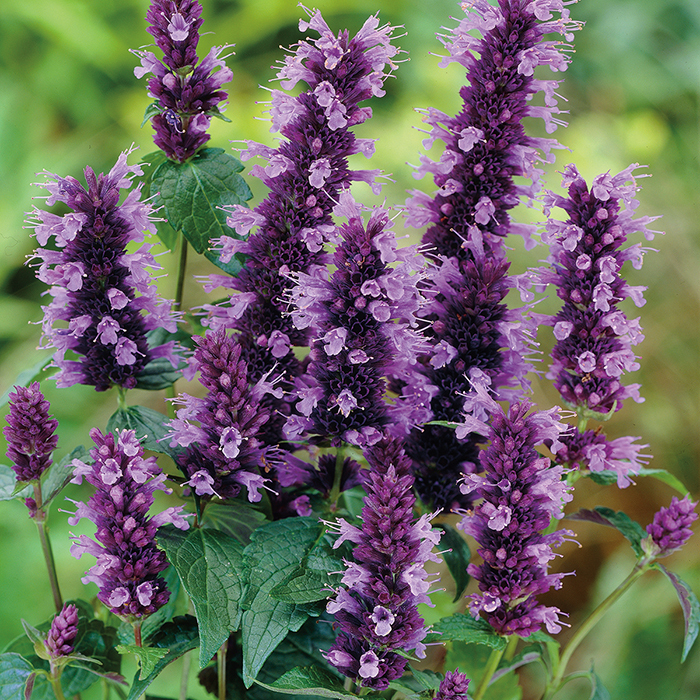
Black Adder Agastache Plant Care Tips for Vibrant Blooms. Try Black Adder Agastache Plant Care Tips for year-round Vibrant Blooms with simple hacks anyone can follow.

Soil Preparation for Black Adder Agastache Plant Care Tips for Vibrant Blooms
Gardeners gain vibrant blooms when they start with well-prepared soil. Testing & adjusting the planting medium turns poor ground into a thriving environment for Black Adder Agastache Plant Care Tips for Vibrant Blooms. Begin by checking pH levels with a reliable kit; aim for a slightly alkaline range between 6.5 & 7.0. If the soil reads too acidic, add ground limestone gradually. When it runs too alkaline, incorporate peat moss or elemental sulfur to bring the level closer to neutral. Next, loosen soil to a depth of 12 inches by turning it with a spade or broadfork. This process enhances root penetration & prevents waterlogging. Blend in aged compost at a ratio of 1:3 (compost to native substrate) for consistent moisture retention & nutrient release. Avoid compacted or waterlogged sections; they suffocate roots & promote disease. By building raised beds or mounded rows in poorly draining regions, you encourage runoff & protect crowns from rot. With these steps, you set the stage for strong stems, healthy foliage, & abundant flower spikes in your Black Adder Agastache Plant Care Tips for Vibrant Blooms setup.
-
Test soil pH regularly to maintain a stable 6.5–7.0 range
-
Mix in 25% aged compost for consistent fertility
-
Add coarse sand or perlite to improve drainage
-
Avoid heavy clay patches that trap excess moisture
-
Create raised beds in poorly draining areas
Optimal Sunlight Exposure for Black Adder Agastache care
Black Adder Agastache Plant Care Tips for Vibrant Blooms demand full sun to produce the richest color on flower spires & the most aromatic foliage. Aim for six to eight hours of direct sunlight per day. Morning rays deliver gentle warmth that encourages early-day flowering, while afternoon sun ensures steady photosynthesis throughout the prime light hours. In regions with scorching summers, provide light afternoon shade an open lattice or high canopy tree works well to protect leaves from scorching without sacrificing bloom formation. When you site plants too close to tall shrubs, they compete for light & lean toward sparse flowering. By spacing them at least 12 to 18 inches apart in a sunny border, you enable optimal air circulation & consistent light distribution. Observe your planting area over spring & summer to confirm patterns avoid planting on north-facing walls or under evergreen overhangs where rays remain limited. With ideal sun placement, your Black Adder Agastache care routine drives long-lasting bloom cycles & reduces fungal pressure on moist foliage.
| Sunlight Hours | Expected Impact |
|---|---|
| 6–8 hours | Peak flowering & intense color |
| 4–6 hours | Moderate blooms, slower growth |
| Under 4 hours | Sparse spikes, leggy stems |
| 8+ hours with heat shade | Optimal for hot climates |
Watering Strategies to Promote vibrant blooms
Deliver precise moisture levels for Black Adder Agastache Plant Care Tips for Vibrant Blooms. These plants thrive in consistently moist yet well-drained soil. Water deeply once or twice weekly depending on rainfall & soil texture. Aim for root-zone saturation without puddles on the surface. Early-morning irrigation reduces evaporation & allows foliage to dry before evening, cutting disease risk. Use drip tubing or soaker hoses to deliver water straight to the root zone while minimizing wet leaves. Avoid overhead sprinklers, which encourage mildew & leaf spot. In sandy substrates, increase frequency but reduce volume per session. In loam or clay blends, extend intervals slightly to let soil dry near the crown before the next watering. Check moisture by inserting a finger two inches deep if it feels dry, initiate irrigation. In drought periods, apply a light layer of mulch to lock in moisture & suppress weeds that would otherwise compete. With steady moisture control, vibrant blooms emerge in more countless spikes, & stems stay sturdy under windy conditions.
-
Deep-soak once a week in moderate climates
-
Increase to twice weekly in heat waves
-
Use drip irrigation to avoid wet foliage
-
Mulch with straw or bark to conserve moisture
-
Check soil two inches down before watering
Fertilization Schedule for Healthy Agastache plant care
Proper feeding fuels lush leaves & prolific spikes in Black Adder Agastache Plant Care Tips for Vibrant Blooms. Begin with a balanced, slow-release granular fertilizer (10-10-10 NPK) at planting time. Sprinkle evenly around the root zone & work lightly into the topsoil to prevent runoff. Follow up every six weeks with a liquid feed containing a higher phosphorus ratio (for example, 5-10-5) to boost blooming. Dilute according to label instructions & apply during early morning or late afternoon to prevent leaf scorch. Avoid overfeeding nitrogen, which promotes foliage at the expense of flowers. In midsummer, incorporate a seaweed extract or micronutrient supplement to address trace element needs & strengthen stress tolerance. Pause major feedings six weeks before your average first frost date to help the plant harden off. Each fertilization step should match growth phases: establishment, pre-bloom, peak bloom, & tapering. With this systematic approach, your Agastache plant care regimen supports consistent flower production & vibrant foliage color.
| Timing | Fertilizer Type | Notes |
|---|---|---|
| At planting | 10-10-10 granular | Incorporate into soil |
| Pre-flowering | 5-10-5 liquid | Boosts spike formation |
| Midseason | Seaweed extract | Enhances stress resistance |
| Late summer | Light balanced feed | Prepare for dormancy |
Pruning & Deadheading Techniques for Peak Flowering
Timely removal of spent blooms & strategic stem trimming extend the display period of Black Adder Agastache Plant Care Tips for Vibrant Blooms. Start deadheading when the first few flower spikes fade; snip just above a pair of healthy leaves to divert energy into new bud development. For a controlled shape, cut back the top one-third of stems in early summer once initial blooms appear. This encourages side shoots to emerge, creating a denser cluster of spikes. Avoid cutting below the lowest node: that section may carry dormant buds. After the main flowering season, prune all stems back by half their height to stimulate a late flush in regions with long growing seasons. In cooler zones, trim foliage to ground level in late fall after leaf drop; this clearing helps you detect basal crown issues come spring. By following these steps, you maintain a tidy appearance & maximize the number of flower cycles, producing a profusion of colorful spikes right through to frost.
-
Deadhead spent blooms above healthy foliage pairs
-
Trim top one-third of stems at first bloom
-
Prune back by half after main flowering
-
Cut foliage to ground in late fall for winter health
-
Sanitize shears between cuts to prevent disease
Pest Management to Safeguard Black Adder Agastache Plant Care Tips for Vibrant Blooms
Keep pests in check to preserve Black Adder Agastache Plant Care Tips for Vibrant Blooms vigor. Aphids, caterpillars, & spider mites pose the greatest threats. Inspect leaves weekly for telltale signs like stippling, webbing, or sticky honeydew. Encourage beneficial insects ladybugs, lacewings, & predatory mites by planting pollinator-friendly companions nearby. When populations spike, spray plants with insecticidal soap or neem oil at the first sign of infestation. Apply treatments in the early morning to spare bees & butterflies. For caterpillar outbreaks, handpick larvae & dispose of them off-site. If fungus gnats emerge in moist conditions, reduce watering & add neem-infused potting mix. Rotate treatments to prevent resistance buildup among pest populations. Gardeners who combine these tactics maintain foliage integrity & strong floral performance, resulting in uninterrupted bloom cycles that showcase your Black Adder Agastache Plant Care Tips for Vibrant Blooms at their best.
| Pest | Signs | Control Method |
|---|---|---|
| Aphids | Leaf curling, honeydew | Insecticidal soap spray |
| Caterpillars | Chewed edges | Handpicking |
| Spider mites | Fine webbing, stippling | Neem oil application |
| Fungus gnats | Adult flies at soil | Dry soil, neem mix |
“Consistent monitoring & timely intervention will keep Black Adder Agastache at peak performance.” – Jeff Schowalter Sr.
Cold-Hardy Care: Overwintering Practices
In zones 5 through 9, gardeners can help Black Adder Agastache Plant Care Tips for Vibrant Blooms endure winter freezes with a few proven steps. After the first light frost, cut back stems to about 3 inches above soil level. This height protects dormant crown tissues beneath insulated soil & mulch layers. Apply a 3-inch layer of dry straw, shredded leaves, or pine needles over the root zone. Avoid heavy mulch that holds excess moisture; stick to materials that drain & insulate simultaneously. In containers, move pots to unheated garages or cold frames where temperatures stay just above freezing. Remove covers each sunny day to allow airflow & prevent mold. In spring, gradually uncover beds to harden emerging shoots. These practices minimize winter dieback & ensure rapid recovery, leading to early-season blooms. By implementing reliable overwintering steps, you secure strong spring growth & extend the life of your cherished Black Adder Agastache Plant Care Tips for Vibrant Blooms.
-
Prune stems to 3 inches after light frost
-
Apply 3-inch layer of straw or shredded leaves
-
Use breathable mulch to avoid rot
-
Move pots to a cool, sheltered spot
-
Uncover gradually in spring sunlight
Propagation Methods for Expanding Your Black Adder Agastache care Collection
Propagate Black Adder Agastache Plant Care Tips for Vibrant Blooms through seed sowing or softwood cuttings to multiply your display without purchasing more plants. For seeds, sow indoors 8–10 weeks before your last frost date. Press seeds lightly into a moist, sterile starting mix but avoid covering them; they need light to germinate. Keep trays at 70°F & maintain humidity under a clear dome until you see radicles in 10–14 days. For softwood cuttings, snip 4–5 inch stem tips in early summer. Strip lower leaves, dip cut ends in rooting hormone powder, & insert into a perlite–peat mix. Cover each cutting with plastic to hold moisture & place in bright, indirect light. Roots develop within 3–4 weeks; you can then transplant to individual containers & harden off before introducing them to the garden. Combining both methods lets you create a steady supply of new plants & maintain genetic diversity, ensuring vibrant spikes across seasons.
| Method | Timing | Key Tip |
|---|---|---|
| Seed sowing | 8–10 weeks pre-frost | Press seeds, don’t cover |
| Softwood cuttings | Early summer | Use rooting hormone |
| Division | Early spring | Share healthy crowns |
| Layering | Midseason | Secure low stems in soil |
Container vs In-Ground Planting Approaches
Decide between pots & open beds when planning Black Adder Agastache Plant Care Tips for Vibrant Blooms. Containers offer mobility, letting you adjust sun exposure & protect roots in cold snaps. Choose a 12–14 inch pot with drainage holes, fill with a free-draining blend of potting soil, perlite, & compost, then position in bright rays. Water more frequently than in ground, since containers dry out faster. In-ground plantings establish stronger root systems that withstand heat & drought better long term. Follow the soil preparation & spacing guidelines above, & you’ll handle less watering once mature. If you select beds, maintain a 12–18 inch spacing matrix to encourage airflow. Both methods benefit from a layer of mulch & regular fertilization. Your choice depends on climate flexibility, space limitations, & how frequently you can attend to watering schedules in your Black Adder Agastache Plant Care Tips for Vibrant Blooms routine.
-
Use 12-inch pots for container flexibility
-
Mix potting soil with perlite for drainage
-
Space in beds 12–18 inches apart
-
Mulch both containers & beds
-
Adjust watering based on container size
Companion Planting to Enhance Pollinator Visits
Pair Black Adder Agastache Plant Care Tips for Vibrant Blooms with complementary species to draw bees, butterflies, & hummingbirds. Strategically planted companions highlight the spire-like form & aromatic foliage of Agastache while offering seasonal color continuity. Lavender cultivars, Russian sage, & coreopsis mesh well they share similar light & moisture needs. Tall foxgloves & salvias produce vertical accents, while low-growing catmint or thyme fill gaps & discourage weeds. These alliances create a living tapestry that sustains pollinators from spring until fall. Interplant herbs like rosemary or thyme; their strong scents deter pests without harming beneficials. By selecting bloom times that overlap, you ensure no floral gap in nectar availability. This design approach not only fosters ecological balance but also maximizes the visual impact of your Black Adder Agastache Plant Care Tips for Vibrant Blooms display.
| Companion | Bloom Time | Benefit |
|---|---|---|
| Lavender | Mid-summer | Bees & fragrance |
| Russian sage | Late summer | Height contrast |
| Coreopsis | Early summer | Ground cover |
| Catmint | Spring & summer | Weed suppression |
Recognizing & Addressing Nutrient Deficiencies
Monitor leaf color & growth patterns to catch nutrient shortages early in your Black Adder Agastache Plant Care Tips for Vibrant Blooms practice. Yellowing between leaf veins signals magnesium deficiency; remedy by applying Epsom salts (1 tablespoon per gallon) directly to the soil. Stunted growth & pale leaves indicate low nitrogen; use a balanced organic feed every six weeks. If foliage edges scorch or show rust-colored spots, you may have potassium shortages; add wood ash sparingly to adjust levels. Micronutrient deficits like iron or manganese cause interveinal chlorosis; correct these with foliar sprays containing trace elements. Consistent soil testing every two years helps you spot imbalances before foliage shows stress. Addressing issues promptly ensures your Black Adder Agastache care regimen stays on track & supports uninterrupted flower production.
-
Yellow veins: apply Epsom salts for magnesium
-
Pale leaves: boost nitrogen with organic feed
-
Leaf edge burn: sprinkle wood ash for potassium
-
Interveinal chlorosis: foliar spray micronutrients
-
Soil test biennially for balanced fertility
Seasonal Adjustments for Continuous vibrant blooms
Adapt your care calendar to seasonal shifts for uninterrupted color in Black Adder Agastache Plant Care Tips for Vibrant Blooms. In spring, ramp up moisture & apply a balanced feed to kickstart growth. As temperatures climb, reduce watering frequency but increase volume per session to encourage deep rooting. Introduce light shade during mid-summer peak heat to protect tender spikes. After the first bloom flush, feed with a high-phosphorus formula to trigger a second wave of flower spikes. In early fall, stop heavy fertilization & focus on consistent moisture; this timing conditions plants for winter. Keep mulch intact until new spring shoots emerge, then thin it to allow warming soils. By responding to weather patterns & growth cycles, you maintain strong stems & abundant flowering right through to frost.
| Season | Action |
|---|---|
| Spring | Feed balanced fertilizer; increase water |
| Summer | Deep water; provide light shade |
| Late summer | Apply bloom-boosting phosphorus feed |
| Fall | Ease off fertilizer; maintain moisture |
Tips for Showcasing Your Agastache plant care Display
Highlight Black Adder Agastache Plant Care Tips for Vibrant Blooms in the garden design to create focal interest & color contrast. Plant in drifts along walkways or borders to form impactful ribbons of color. Alternate with lower-growing foliage plants so the Agastache spikes stand out above a green carpet. In containers, group various heights & textures pair with trailing calibrachoa & upright salvias to form dynamic mixtures. Use decorative stakes to support tall bloom spikes on windy sites. Install low-voltage landscape lighting to illuminate spires at dusk, turning your garden into a living art piece. Adjust plant groupings seasonally; rotate in early bloomers like tulips in spring, then swap with late-season asters for a seamless seasonal progression. With thoughtful placement, your Agastache plant care skills will reward you with a show-stopping garden spectacle.
-
Group in drifts for color ribbons
-
Mix with trailing & upright companions
-
Use decorative stakes for support
-
Highlight with landscape lighting
-
Rotate seasonal partners for continuous interest
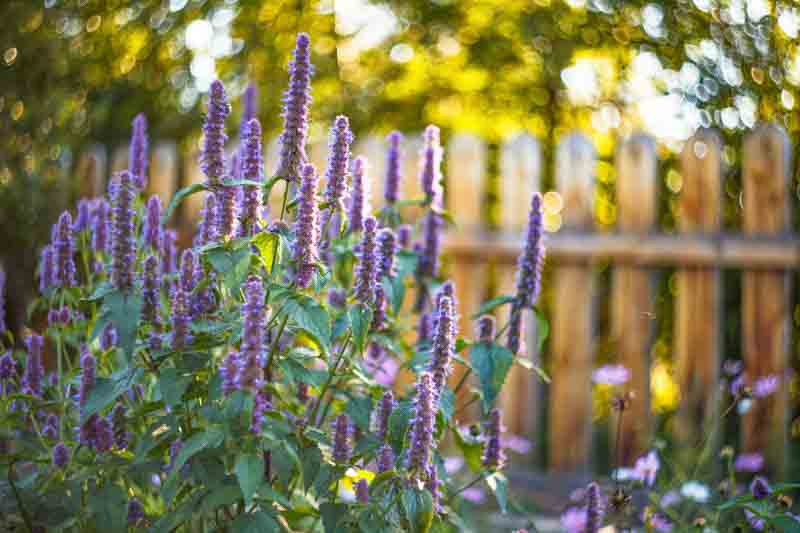
Ideal Soil Conditions for Black Adder Agastache Plant Care Tips for Vibrant Blooms
Achieving consistently vibrant flower spikes on your Black Adder Agastache Plant Care Tips for Vibrant Blooms starts with soil that balances nutrition, aeration, & drainage. This perennial thrives in loamy soil that offers sufficient moisture retention without waterlogging the roots. A medium texture soil enriched with organic compost helps maintain stable moisture levels while delivering essential nutrients. Sandy loam mixtures can boost drainage in heavier clay soils, preventing root rot & encouraging robust underground development. Incorporating perlite or coarse sand at a one-to-one ratio with garden soil can also create channels that allow excess water to escape quickly. Monitor the soil pH regularly, aiming for a slightly acidic to neutral range between 6.5 & 7.0. Adjust pH imbalances by adding elemental sulfur to lower alkalinity or lime to reduce acidity. Consistent checks every spring give you the power to correct any drift before the flowering season hits its stride. Proper soil preparation at planting time sets the stage for a season of lush foliage & endless inflorescences.
-
Amend with organic compost for nutrient balance
-
Ensure pH between 6.5 & 7.0
-
Add perlite or coarse sand for improved drainage
-
Mix soil deeply to break up compaction
Sunlight Requirements
When it comes to light exposure, Black Adder Agastache Plant Care Tips for Vibrant Blooms depends on at least six to eight hours of direct sun daily. Insufficient light can produce floppy stems & sparse flower spikes, while too much afternoon sun in particularly hot regions can lead to slight leaf scorch. For gardeners in milder climates, full sun works wonderfully all day. In hotter zones, consider providing a few hours of afternoon shade under a pergola or a shade cloth rated at 30–40 percent blockage. Rotate container specimens every week to ensure even light exposure on all sides of the plant. Indoors, position them near a south-facing window or use broad-spectrum grow lights to mimic outdoor intensity. Strong, unfiltered sunlight must remain the priority to trigger the highest density of vibrant, tubular blooms that pollinators adore & that elevate your garden’s visual impact.
| Light Condition | Recommended Duration |
|---|---|
| Full Sun | 6–8 hours daily |
| Partial Shade (Hot Climates) | Morning sun + afternoon shade |
| Indoor Grow Lights | 12–14 hours under full spectrum lamps |
Watering Guidelines
Consistent moisture is essential for sturdy stems & prolonged blooming in any Black Adder Agastache Plant Care Tips for Vibrant Blooms regimen. Water deeply once or twice a week, depending on temperature & soil composition. In sandy soils, you may need additional light watering to maintain gentle hydration close to the root zone, whereas loamy soils often retain enough moisture to stretch intervals. Water early in the morning to let excess moisture dry off foliage by evening, reducing the risk of fungal problems. Employ a soaker hose or drip irrigation system to deliver water directly into the root zone, avoiding crown saturation. During extreme heat waves, monitor soil moisture at a depth of two inches with a simple soil probe; aim for slight dampness but never sogginess. Always allow at least 24 hours between deep irrigations to encourage roots to grow deeper, boosting drought tolerance & supporting healthier flower production overall.
-
Water deeply to reach lower roots
-
Use drip irrigation for direct delivery
-
Gauge moisture at 2″ depth before rewatering
-
Avoid overhead sprinklers to prevent leaf diseases
Fertilization Schedule
A balanced nutrient program helps maintain lush foliage & prolific flower sets for Black Adder Agastache Plant Care Tips for Vibrant Blooms. Begin with a slow-release granular fertilizer applied at planting, favoring an N-P-K ratio of 10-10-10 or similar. Mid-season top dressings at early summer can refresh nutrient levels, especially if your soil’s natural fertility wanes after the initial flush. Foliar feeding with a liquid seaweed extract once every four weeks can also supply trace elements that support vibrant color intensity & stress resistance. Avoid high-nitrogen feeds late in the season, as they encourage leafy growth at the expense of flower spike production. Instead, switch to a bloom-boost formula such as 5-15-10 for the final month to maximize bud set. Always water after any granular application to dissolve the granules & transport nutrients directly to the root zone.
| Timing | Fertilizer Type |
|---|---|
| At Planting | 10-10-10 slow-release |
| Early Summer | Seaweed extract foliar feed |
| Midsummer | 5-15-10 bloom booster |
Pruning Techniques
Effective pruning keeps Black Adder Agastache Plant Care Tips for Vibrant Blooms looking tidy & blooming repeatedly. After the initial flush of flowers, cut back spent stems just above a node or pair of leaves. This encourages side shoots to develop new flower spikes instead of letting the old stems become woody & unproductive. Perform a more vigorous prune in late fall or early spring by removing one-third of the oldest wood to stimulate fresh growth. Use clean, sharp shears to make angled cuts that encourage water runoff, reducing the chance of tissue rot. Monitor for any damaged or diseased branches & remove them immediately. Consistent deadheading also channels plant energy into continuous bloom production rather than seed development, giving your garden months of color.
-
Deadhead spent flower spikes regularly
-
Cut back one-third of old wood each spring
-
Trim just above a healthy leaf node
-
Sanitize shears between cuts
Pest Prevention
Keeping your Black Adder Agastache Plant Care Tips for Vibrant Blooms free from common pests starts with early detection & nonchemical controls. Aphids, spider mites, & whiteflies may appear on emerging shoots, especially in warm, dry conditions. Encourage natural predators like ladybugs & lacewings by planting companion flowers such as yarrow or marigolds nearby. A weekly spray of insecticidal soap can manage outbreaks without harming beneficial pollinators that favor this aromatic perennial. Monitor undersides of leaves & flower spikes, where pests often congregate. If you spot sticky honeydew or fine webbing, increase airflow around the plant by trimming crowded stems. Rotate your control methods to prevent resistance: alternate soap sprays with neem oil & horticultural oils each month.
| Pest | Control Method |
|---|---|
| Aphids | Insecticidal soap spray |
| Spider Mites | Horticultural oil mist |
| Whiteflies | Yellow sticky traps |
Disease Management
Though naturally resistant, Black Adder Agastache Plant Care Tips for Vibrant Blooms can suffer from powdery mildew or root rot when humidity remains high. Ensure good air circulation by spacing plants at least 18 inches apart. Water only at the base to keep foliage dry. If powdery mildew appears as white, powdery patches, treat with a baking soda solution (1 tbsp per gallon) combined with a few drops of dish soap, sprayed weekly until symptoms clear. For root rot, remove affected soil & replant in fresh, well-draining mix. Always inspect transplants for signs of damping off before adding new plants to your bed.
-
Space plants 18″ apart
-
Water at the base only
-
Spray baking soda solution for mildew
-
Replace soil if root rot occurs
Container Gardening Applications
Growing Black Adder Agastache Plant Care Tips for Vibrant Blooms in containers offers flexibility & portability. Choose pots at least 12 inches deep with ample drainage holes. Use a premium, lightweight potting mix designed for perennials, blending in some vermiculite to enhance water retention. Position containers on casters if you live in an area with fluctuating afternoon temperatures, allowing you to move them into shade during heat spells. Fertilize more often than in-ground specimens typically every two weeks with a diluted balanced liquid feed. Because containers dry out faster, monitor moisture daily & adjust irrigation schedules on hotter days. Proper container care ensures lush foliage & continuous blooms even on patios or balconies.
| Container Feature | Recommendation |
|---|---|
| Depth | At least 12″ |
| Mix | Premium potting + vermiculite |
| Fertilizer | Every 2 weeks, balanced liquid |
Propagation Methods
You can multiply your Black Adder Agastache Plant Care Tips for Vibrant Blooms collection through several simple techniques. Softwood cuttings taken in late spring root quickly under a plastic dome to maintain humidity. Snip 4–6″ stem tips just below a node, strip lower leaves, & dip in rooting hormone before sticking into a well-draining mix of perlite & peat. Keep the medium moist & place cuttings in bright indirect light. Division works best in early spring before active growth resumes. Gently lift the parent plant, tease apart sections ensuring each division has a healthy crown & root system, then replant immediately at the same depth. Both methods deliver mature, bloom-ready specimens within months.
-
Softwood cuttings in spring
-
Dip cut ends in rooting hormone
-
Divide crowns early spring
-
Keep soil moist, indirect light
Seasonal Care Adjustments
Throughout the year, fine-tuning your approach to Black Adder Agastache Plant Care Tips for Vibrant Blooms supports uninterrupted performance. In early spring, clear debris & apply a balanced granular feed. As temperatures rise, increase irrigation & consider shade cloth in afternoon heat. During midsummer, monitor for pests more frequently & tweak nutrient ratios based on foliage appearance. When autumn arrives, reduce watering slowly to prepare plants for dormancy & stop feeding roughly six weeks before expected frost. Lightly mulch around the root zone with straw or shredded bark to insulate crowns in colder areas. Coming spring, fresh mulch removal & a rejuvenating prune will set the stage for a prolific new cycle.
| Season | Key Task |
|---|---|
| Spring | Prune & apply balanced feed |
| Summer | Increase watering, monitor pests |
| Autumn | Reduce irrigation, mulch |
Companion Planting Ideas
Combining Black Adder Agastache Plant Care Tips for Vibrant Blooms with compatible companions enhances pollinator visits & visual appeal. Lavender & sage match the same well-drained soil needs & share similar moisture demands. Echinacea adds contrasting flower shapes that attract butterflies, while ornamental grasses deliver texture & movement against upright Agastache spikes. Include low-growing alyssum or creeping thyme at the front of beds; these forms fill gaps & deter slugs. Avoid heavy feeders like squash or corn, which can overshadow shallow-rooted Agastache. Strategic pairing promotes a balanced ecosystem where beneficial insects thrive, creating a resilient display.
-
Lavender for shared drainage needs
-
Echinacea for butterfly attraction
-
Alyssum for groundcover & slug deterrence
-
Ornamental grasses for texture
Landscape Design Integration
Incorporating Black Adder Agastache Plant Care Tips for Vibrant Blooms into your garden design delivers vertical drama & long-lasting color. Position them toward the back of perennial borders where their height can frame shorter blooms. Clusters of three or five work best to create focal points, while single plants accent stonescapes or gravel gardens. Use contrasting foliage from plants like Heuchera or Artemisia to highlight Agastache’s bold, upright structure. For pollinator patches, group in masses surrounded by open lawn space to invite bees & hummingbirds. Whether in formal or cottage arrangements, this variety’s rich, dark foliage & vivid blooms transform ordinary borders into show-stopping compositions.
| Design ElementPlacement Tip | |
|---|---|
| Perennial border | Back row, in odd-number clusters |
| Gravel garden | Single accents among stones |
| Pollinator patch | Mass plantings near lawn edges |
Troubleshooting Common Issues
When Black Adder Agastache Plant Care Tips for Vibrant Blooms display yellowing leaves or stunted spikes, diagnosing the root cause swiftly prevents bloom loss. Yellow lower leaves often signal inconsistent watering or poor drainage verify that soil moisture remains even but not waterlogged. Stunted growth can stem from nutrient deficiency; consider a midseason foliar feed of dilute fish emulsion. If bloom spikes fail to open fully, inspect for aphid clusters at the developing buds or cool nighttime temperatures slowing maturation. Brown leaf edges indicate possible salt buildup; flush the soil with ample water & switch to distilled or rainwater for at least one irrigation cycle. Address each symptom directly to restore peak performance in just days.
-
Yellow leaves: check watering balance
-
Weak stems: apply balanced foliar feed
-
Closed buds: inspect for pests
-
Leaf scorch: flush salts, use rainwater
“Achieving those long-lasting, dark-purple spikes requires attention to both soil & sun. Follow these steps, & your garden will be the envy of every pollinator in the neighborhood.” – Abbigail Dare
Harvesting & Using Blooms
Cutting fresh flower spikes regularly not only extends the blooming season but also brings aromatic cheer indoors. Harvest blooms early in the morning when essential oil content is highest, using sharp scissors to snip just above a node. Place stems immediately into clean water & recut ends underwater to boost vase life. Dried blooms maintain their color & fragrance for months; hang small bunches upside down in a dark, airy space. Agastache flowers also make appealing culinary garnishes & herbal teas, offering a mild licorice flavor. Harvest secondary spikes once they reach four inches tall to encourage continual emergence of new buds.
| Method | Tip |
|---|---|
| Fresh bouquets | Cut pre-peak morning |
| Drying | Hang in dark, ventilated area |
| Culinary use | Use young blooms for tea |
Enhancing Bloom Duration
To keep flowers on your Black Adder Agastache Plant Care Tips for Vibrant Blooms lasting longer, maintain consistent moisture & remove spent blooms promptly. Mulch with organic material to stabilize soil temperature & reduce evaporation during hot spells. Apply a low-concentration potassium-rich foliar spray once blooms appear to strengthen cell walls & delay petal senescence. Increase air movement around stems by thinning crowded areas, which reduces humidity pockets that can accelerate bloom drop. When temperatures soar above 90°F, provide light afternoon shade for a few hours; this slight relief prevents petals from wilting prematurely & prolongs each spike’s vibrant display for up to six weeks.
-
Use potassium foliar spray at first bloom
-
Deadhead quickly to encourage new spikes
-
Mulch to retain moisture evenly
-
Thin crowded stems for airflow
My Personal Experience with Black Adder Agastache Plant Care Tips for Vibrant Blooms
I have grown Black Adder Agastache Plant Care Tips for Vibrant Blooms in both in-ground beds & containers at my home for over three seasons. In my first year, I struggled with erratic watering schedules that led to fewer spikes, but after implementing drip irrigation & following the detailed soil amendments above, I watched my plants produce more than a dozen robust flower stalks each. Last summer, applying a mid-season foliar feed boosted bloom color intensity spectacularly. Each morning, I would wander out to harvest a few spikes for the house, thrilled by the sweet licorice scent. I also tried companion planting with lavender & saw a dramatic uptick in bee visits. This personal trial-&-error journey taught me that even minor tweaks like adding extra perlite or shading during midday heat make a major difference in keeping my beds awash in deep-purple, long-lasting blooms.

Conclusion
Growing Black Adder Agastache can be a fun way to add color to your garden. With regular checking of soil moisture & giving your plant enough sun, you’ll see more blooms each season. Keeping pests away with gentle sprays & pruning spent flowers supports healthy growth. You don’t need fancy tools. Just clear space around roots & give water when topsoil feels dry. Feeding a balanced fertilizer now & then will keep leaves green & flowers blooming. Overall, give a bit of daily care & attention, & these lovely plants will reward you with bright, beautiful blooms all summer long.
